

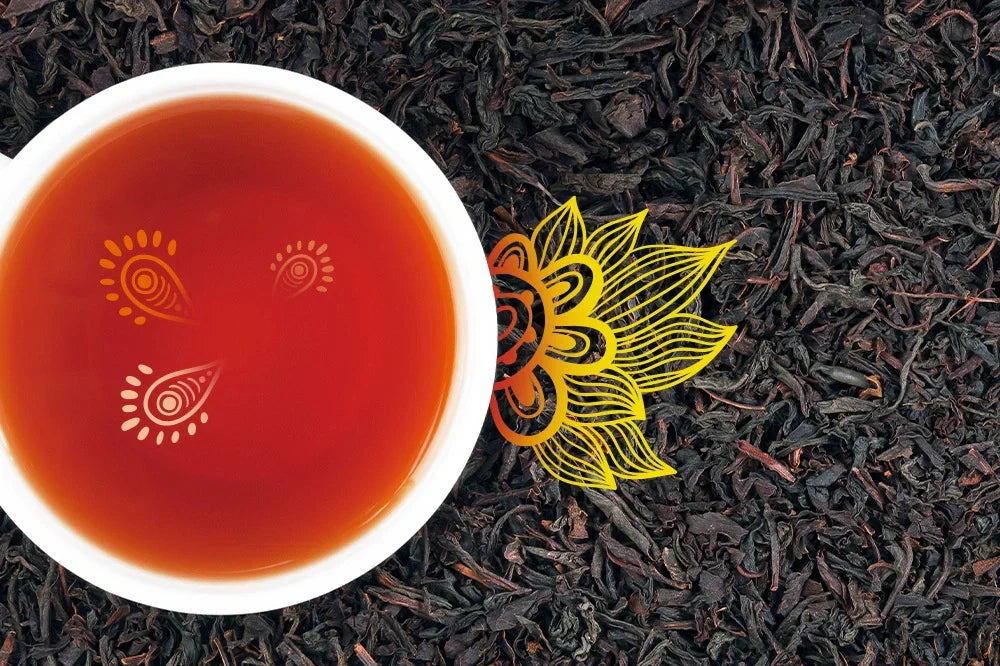
How to brew black tea?
Although we drink black tea almost every day, its proper brewing still holds many secrets. Unlike green tea, which requires lower temperatures to release its intense flavor and aroma, the properties of this infusion are valued worldwide, but the precision of your brewing determines whether it will be soothing or overwhelming. In this article, we'll reveal all the secrets of brewing tea, helping you achieve the perfect flavor.
What will you find in the article?
- How to brew black tea?
- At what temperature should you brew black tea?
- Can you pour boiling water over black tea?
- How long to brew black tea?
- Can loose leaf black tea be brewed multiple times?
- What water should I use to brew black tea?
- How much black tea should I use for an infusion?
- How to brew black tea?
- 5 Most Common Mistakes When Brewing Black Tea
- Secrets of Brewing Black Tea – Summary
How to brew black tea?
Black tea requires a specific brewing process to bring out its true flavor and aroma. You'll soon learn what you can expect from your infusion by extending the brewing time and what the benefits of shortening it will be.
It's time to learn how to brew black tea at home. Once you've learned the basics of the tea ceremony, be sure to practice!
At what temperature should you brew black tea?
Optimal water temperature for black tea is usually 95 – 98 degrees CelsiusThis temperature allows for a full-bodied infusion without destroying its subtle notes.
Can you pour boiling water over black tea?
Although black tea is more resistant to high temperatures than green or white tea, pouring it directly into bubbling, boiling water is not recommended.
Water at 100 degrees Celsius is too aggressive – it can “burn” the leaves, which will cause their favorite flavor to turn bitter.
Tip
Pour the tea over the water shortly after it has boiled and has stopped bubbling vigorously.
How long to brew black tea?
The brewing time of black tea determines how the drink affects your body.
- If you want the infusion to have relaxing properties, extend the brewing time.
- However, if you prefer the tea leaves to stimulate you, brew for no longer than 3 minutes.
| Parameter | 2–3 minutes | 5 minutes |
|---|---|---|
| Action | Stimulant (high caffeine) | Relaxing (tannin binding) |
| Taste | Delicate, sweetish | Strong, intense flavor |
| Bitterness | Low | Possible bitter taste |
Can loose leaf black tea be brewed multiple times?
NO. Unlike green tea or pu-erh (red tea), which often require multiple brewings to achieve their full flavor, black teas bloom most beautifully when the initial contact with water is maintained for optimal duration. Remember to always separate the leaves from the water after brewing—leaving the leaves in the cup is the most common cause of your tea acquiring an unpleasant bitterness.
Find out: How to brew green tea?
What water should I use to brew black tea?
It will work best filtered waterwhich will not change the taste of the tea.
How much black tea should I use for an infusion?
When using approximately 200–250 ml of water per cup, remember the proportions: One teaspoon of loose leaf tea per person is the gold standard.
How to brew black tea?
Choosing a vessel is a key element in creating the atmosphere of the ritual. To experience the flavor and aroma, it's worth forgoing a random mug in favor of elegant porcelain, which retains heat perfectly.
Before brewing, rinse the dishes with a small amount of hot water - this is a simple procedure that will prevent the temperature of the infusion from dropping dramatically.
5 Most Common Mistakes When Brewing Black Tea
Time for a list of the most common mistakes made by even the greatest tea lovers.
Mistake 1: Pouring boiling water over black tea
Although black tea loves warmth, the right temperature is crucial to enjoy its delicious flavor. You need to pour water over the leaves at a temperature of up to 98 degrees Celsius.
What happens if you brew black tea in boiling water?
- Rapid extraction of tannins: Boiling water causes the polyphenols and tannins to be released too quickly, which makes the black tea infusion aggressive and gives it an unpleasant, bitter taste.
- Aroma degradation: Very high temperature leads to thermal decomposition of volatile aromatic compounds, causing the tea to lose its rich aroma and deep taste, which are the essence of the perfection of Ceylon plantations.
- Loss of properties: Water that is too hot negatively affects some of the valuable ingredients, causing the moment for yourself to lose its magical and health-promoting character.
Find out: Is black tea healthy?
Mistake 2: Brewing Black Tea Multiple Times
Unlike green or white teas, Black tea is usually not suitable for re-brewing if we want to maintain the highest quality experience.
Black tea leaves undergo a complete fermentation (oxidation) process, which makes their cell structure more open and most of the theine and key flavor notes are released during the first brewing. Each subsequent brewing of the same leaves produces an infusion lacking depth and no longer capable of providing the full flavor experience.
When the leaves come into contact with water again, they release mainly the remaining tannins, which makes its taste flat and unsatisfying for true tea lovers.
Mistake 3: Using tap water
Water is a carrier of flavor, and its quality has a direct impact on the taste and aroma of tea.
Hard tap water contains a high concentration of calcium and magnesium ions, which react with the polyphenols (tannins) contained in black tea. This reaction creates a characteristic, cloudy sediment on the surface of the infusion, which effectively "closes" and suppresses the most noble, subtle aromatic notes of loose-leaf tea.
Only soft, filtered water allows the essence of nature hidden in the tea leaves to freely penetrate the infusion, guaranteeing the purity of taste without compromise.
Mistake 4: Too little space for leaves
If you want to brew loose-leaf tea, you need to provide adequate space for the leaves to develop their flavor.
Dried tea leaves can expand several times in volume during brewing to fully unleash their hidden potential. Tight strainers and small infusers block the free flow of water between the leaves, preventing the proper diffusion of flavor compounds and theine into the water. This lack of space means that only the outer layers of the leaves release their aroma, while the center remains dry or under-infused, disrupting the balance and intensity of the infusion.
Mistake 5: Adding Tea Additives Too Early
Black tea is the essence of tradition, which requires time to mature before inviting other flavors into it.
Adding cold milk or sour lemon at the very beginning rapidly changes the water temperature and its pH, which directly disrupts the kinetics of polyphenol extraction. Moreover, the proteins contained in milk (casein) bind to the tea's flavonoids before they have a chance to fully saturate the infusion, which deprives it of its depth and some of its health-promoting properties.
To celebrate rituals that help find balance, additives should be introduced only after separating the leaves from the finished infusion – this will ensure that the original flavor and aroma of the tea remain intact.
Secrets of Brewing Black Tea – Summary
| Parameter | Recommendation for black tea |
|---|---|
| Optimal temperature | 95 – 98°C |
| Brewing time | 3 – 5 minutes |
| Amount of dried herb | 1 teaspoon per cup |
| Water | Soft, filtered |
Summary
We hope you've learned how to brew black tea to bring out its full flavor. Each step of preparation brings you closer to discovering the treasures of Sri Lanka, hidden within carefully selected leaves. Let the right water temperature and patience during brewing become your personal ritual, bringing you a state of balance and adding a touch of magic to your daily life.


Leave a comment
This site is protected by hCaptcha and the hCaptcha Privacy Policy and Terms of Service apply.