

Winter tea – recipe with orange and cloves
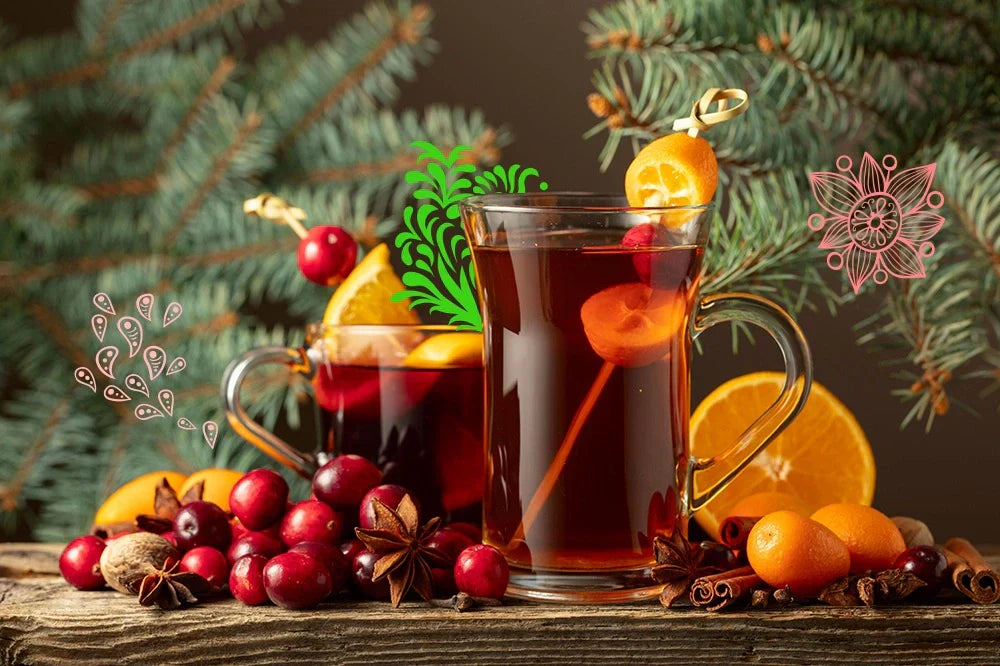
What does winter taste like? For many, it is a combination of the sweetness of orange with aromatic cloves, the enveloping scent of cinnamon and the slightly spicy note of gingerThis is the essence of the holidays, which we wait for all year long. We'll show you how to make your winter tea taste just like this – this recipe with orange and cloves is a prelude to the festive spirit.
However, the promise of perfect taste is one thing. How to make a truly delicious winter tea, not just a sweetened, spicy compote? Details are key: the quality of the base, the perfect proportions of toppings, and the right moment to combine them. In this article, we'll guide you through the process step by step and reveal all the secrets. This recipe is perfect for those looking to capture the holiday spirit and warm up on winter days.
How to make the best winter tea with orange and cloves?
The secret of winter tea lies in the quality of the ingredients and the perfect balance. The foundation, of course, is a solid base: high-quality black tea. Its intense, full-bodied flavor provides the perfect backdrop for the richness of spices. It doesn't get overwhelmed by the weight of the spices, but rather creates a harmonious whole, creating a delicious drink worthy of the most exquisite holiday attire.
Ingredients for winter tea with orange and cloves
- A few teaspoons (2-3) black loose-leaf tea (e.g. Adalbert's Tea Earl Grey) – principle: 1 teaspoon for you + 1 for the jug ;)
- 1 a thick slice of orange
- 4-8 pieces of whole cloves
- 1 a stick of cinnamon
- 2 thick slices of fresh ginger
- 1-2 teaspoons of your favorite honey (e.g. Wovka Multiflower Honey)
- Optional: star anise
Winter tea with orange and cloves – step-by-step preparation
-
Create a heart of winter aroma:
- Mug version: Take a thick (about 1 cm) slice of orange and insert 4-5 cloves into the peel and flesh. This is the easiest way to infuse your winter tea with a festive aroma.
- Jug version: If you're making a full pot of tea, you can use a whole small orange. Then, stud it with eight cloves—it will look and smell spectacular.
-
Brew the perfect base: Pour the desired amount of tea into a mug or jug. Pour hot water (95-98°C) over it, but AVOID pouring boiling water. Steep for 3-4 minutes, then separate the leaves from the infusion to prevent the tea from becoming bitter.
-
Combine Christmas flavors: Add the prepared orange slice with cloves (or a whole orange if using a pitcher) to the brewed tea. Add the ginger slices and cinnamon stick. Stir and let the ingredients steep for a few minutes to allow the flavors to meld and the infusion to absorb the spicy aroma.
-
Sweeten with caution: Once the tea has cooled slightly, add the honey and mix thoroughly. Remember not to add the honey while the tea is still hot (above 60°C) to ensure the honey retains its beneficial properties.
-
Add the finishing touch to your winter tea: If you want to enhance the flavor, add star anise to the tea.
How many cloves for winter tea?
The ideal proportion is 3 to 6 cloves per large cup (approx. 400 ml). This amount will give the desired festive flavor without the risk of dominating the entire composition and making it bitter.
Cloves in winter tea enhance its aromatic profile, but do not overdo it with the quantity.

What can spoil the pleasant aroma and taste of winter tea?
Winter tea contains quite a few ingredients, so it's easy to overdo it. What mistakes should you avoid?
Mistake 1: Adding honey to boiling water
High temperatures (above 60°C) destroy honey's enzymes and antibiotic properties. Honey in boiling water becomes merely a sweetener, losing its unique health benefits.
Add honey to winter tea only after it has cooled down a bit to preserve its health-promoting properties.
Mistake 2: Steeping the leaves for too long
Winter tea will never succeed if the base isn't perfect. Pouring boiling water (100°C) over the leaves releases excess tannins, making the infusion bitter and harsh. On the other hand, leaving the leaves infused for 10 minutes "to enhance the strength" is a recipe for an unbearably tart beverage that even the finest honey can't redeem.
Mistake 3: Old Orange
A stale orange can ruin the entire recipe and make your winter tea completely inedible. It will lack what's most important: a fresh, citrusy twist that balances the heaviness of the spices. Instead of a juicy aroma, you'll get a bland, bitter note, and the drink will lose all its lightness.
Mistake 4: Raspberry juice for winter tea with a spicy aroma
Raspberry juice is a classic, but in this particular recipe, it's like inviting a guest to a party, only to have a disagreement with the host. The intense, sweet-and-sour raspberry clashes openly with the noble, citrusy note of orange. These two flavors don't cooperate—they vie for dominance.
Mistake 5: Too much spice
Too much clove will give the infusion an unpleasant bitterness. Too much ginger completely overpowers the subtle notes of tea and orange, leaving only a sharp burn. And too much cinnamon will turn your drink into a heavy, one-dimensional mess, more reminiscent of cough syrup than a fine tea.
What to add to winter tea to enhance its flavor?
Want to take your deliciousness to the next level? Try these additions:
Cinnamon stick
Cinnamon sticks are a popular addition to winter tea due to their unique flavor and health-promoting properties. Cinnamon gives the infusion a sweet, woody aroma and a warming effect. It's essential for achieving a "holiday" aroma without bitterness.
Dried cranberries
It adds a delicate acidity that balances the sweetness of the honey and orange. The cranberries swell in the hot infusion, releasing their juices, which enhance the fruity character of the base.
Fresh rosemary
A single sprig introduces a woodsy, resinous aroma, perfectly complementing cloves. Rosemary adds a dry, herbal touch that refreshes the heavy, spicy notes. It's a bold addition for those seeking unusual combinations.

What are the health benefits of winter tea?
Winter tea with orange, cloves, and spices (such as ginger, cinnamon, and honey) improves mood and creates a festive atmosphere. It provides natural support for the body during the cold season.
- Strengthening immunity – Orange is rich in vitamin C. Ginger, anise, and cloves, in turn, have antiviral and antibacterial properties, helping to fight infections.
- Warming and anti-inflammatory effect – Ginger, cinnamon, and cloves are spices with strong warming properties that stimulate circulation. They also have anti-inflammatory properties, which are helpful for colds.
- Sore throat relief – Honey has antibacterial properties and creates a protective layer on the throat, soothing coughs and pain. Cloves have anesthetic properties.
- Rich in antioxidants – both black tea and all spices are a powerful source of antioxidants that fight free radicals and support the overall condition of the body.
Frequently asked questions – FAQ
Can I use tea bags for winter tea?
Yes, you can use high-quality tea bags, such as Adalbert's Tea Earl Grey, as long as you maintain the appropriate brewing time.
Is winter tea safe for children?
Yes, provided you're not allergic to honey or citrus. For children, it's best to shorten the brewing time.
Why is black tea the best base?
Its intense flavor does not "die" when strong spices are added, creating a harmonious whole with them.

Leave a comment
This site is protected by hCaptcha and the hCaptcha Privacy Policy and Terms of Service apply.